DRESSING OUTSIDE THE LINE
Written by Abdoulie Lemon
From painted nails to unconventional silhouettes, a new generation of footballers is challenging the traditional image of the male athlete. But in a sport where masculinity has long been tied to strength, aggression and conformity, how much has really changed?
Football has never been short of expectations about how men should behave. Players are expected to be tough, competitive and mentally strong. There is an unspoken understanding of what a footballer should look like, how he should carry himself and what he should avoid doing. For much of the sport’s history, masculinity has been presented in fairly narrow terms. Strength, aggression and toughness have been celebrated, while anything perceived as feminine or unconventional has often been met with suspicion.
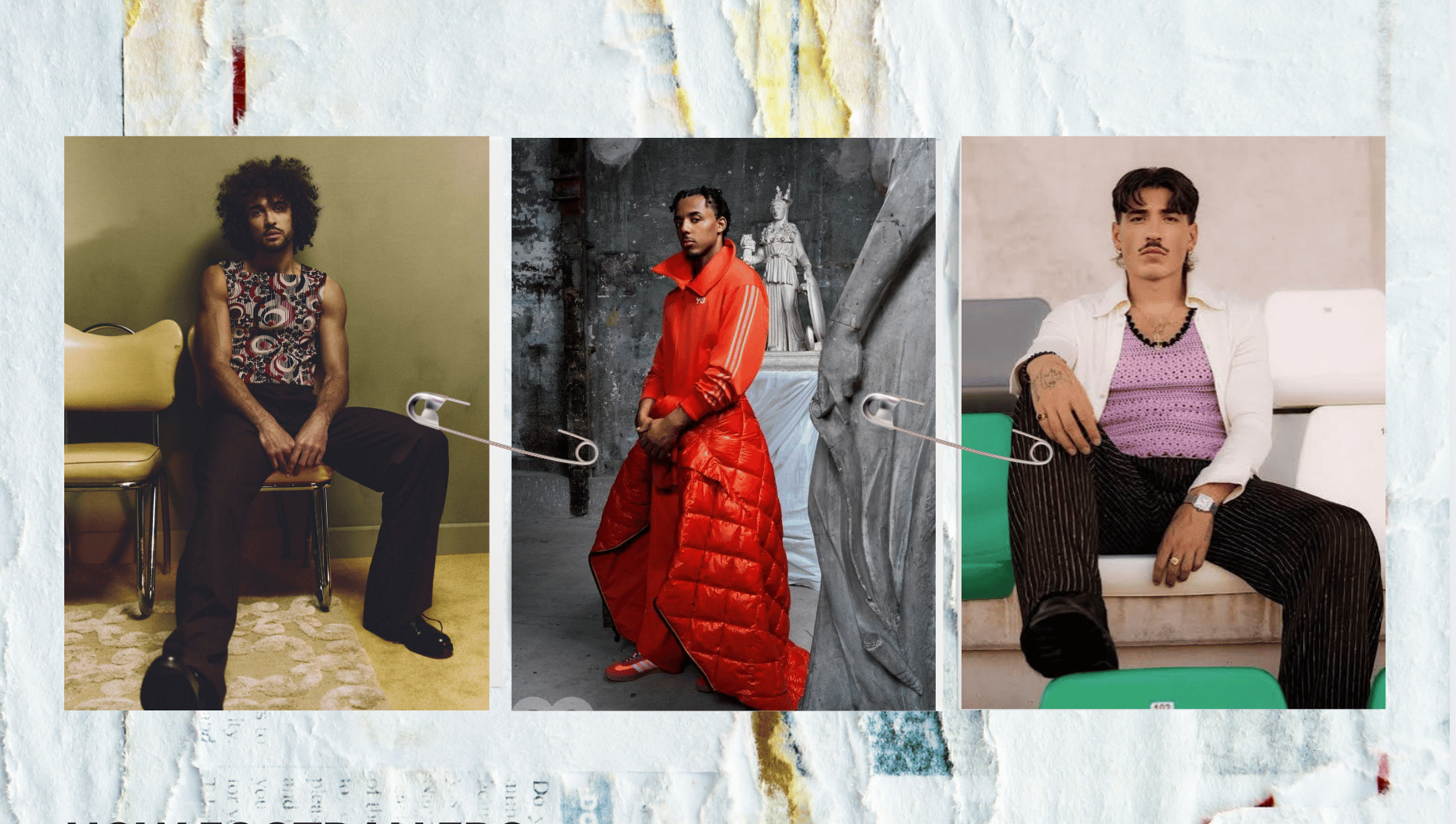
Away from the pitch, however, that image is beginning to look different. Footballers are becoming more comfortable experimenting with their appearance, whether that means wearing jewellery, embracing expressive silhouettes or painting their nails. Players such as Borja Iglesias, Héctor Bellerín and Dominic Calvert-Lewin have helped bring a different kind of personality to football’s relationship with fashion and, most importantly, masculinity. Their choices might seem ordinary in the wider fashion world, but within a sport that has traditionally placed such importance on conventional masculinity, they can carry a little more weight.
Fashion has always been a way for people to communicate who they are without having to explain themselves. For footballers, it offers an opportunity to show an identity that extends beyond their club, position or performances on the pitch. Yet when a player steps outside the familiar image of the professional footballer, the reaction can reveal just how deeply those expectations remain embedded in the sport.
When Painted Nails Become a Statement

Few examples illustrate this better than Borja Iglesias. The Spanish striker has become recognisable not only for his performances on the pitch but also for his painted nails, which have carried messages of inclusion and support for different social causes.
In an interview with The Guardian in 2023, Iglesias explained that he first painted his nails black in response to the Black Lives Matter protests. He wanted the gesture to keep the issue present in his mind and remind him to challenge discriminatory comments rather than allow them to pass as normal. He later used different colours to show support against homophobia.
The reaction was not entirely positive. Iglesias faced criticism on social media, with a personal decision becoming a subject of debate. But that response is precisely what makes his example worth examining. Why should something as simple as nail polish become controversial when worn by a professional male footballer? Why does a player’s appearance invite questions about his masculinity or sexuality?
Not every footballer who paints their nails is necessarily trying to challenge traditional gender expectations. Sometimes it is simply a matter of personal taste. But the freedom to make those choices without having one’s identity questioned is part of what a more accepting sporting culture should look like.
More Than Just Clothes

Héctor Bellerín has spent much of his career existing outside the traditional footballer mould. His interest in fashion, design and sustainability has made him a familiar face beyond the game, while his personal style has attracted both admiration and criticism. During his time at Arsenal, he spoke about receiving abuse when the team’s performances were not going well, with some supporters suggesting that his interest in fashion meant he was not concentrating enough on football.
It was an unusual criticism. A player’s interest in fashion does not automatically say anything about his professionalism. Yet Bellerín’s experience exposed an attitude that has followed footballers for years: the expectation that they should dedicate their entire identity to football and avoid anything that might make them appear different.
Dominic Calvert-Lewin offers another perspective. With the help of stylist Harry Lambert, the former Everton forward developed a wardrobe that moved away from the familiar designer tracksuits often associated with footballers. His looks have included expressive tailoring and pieces from women's wear collections. He has also spoken about the criticism that can accompany dressing differently, arguing that men should feel comfortable wearing what they want.
Both players demonstrate that a footballer’s identity does not have to begin and end with the sport. They can be athletes, designers, fashion enthusiasts and creative individuals without having to justify those interests. Their clothing becomes an extension of their personality, rather than something dictated by the expectations of supporters or the dressing room.
Who Decides What a Footballer Should Wear?
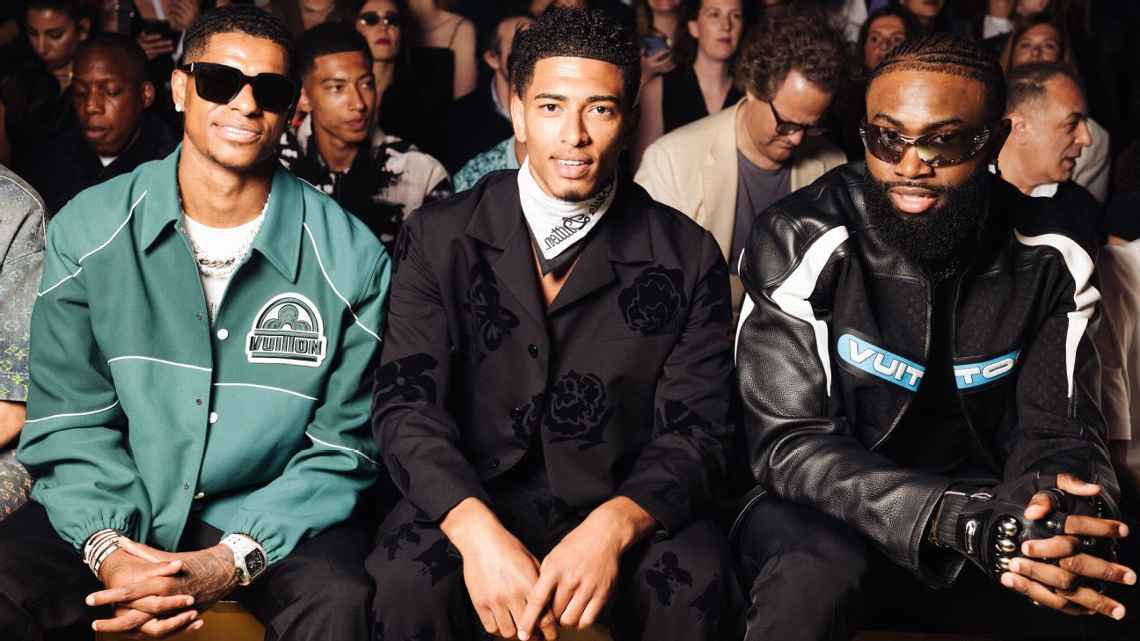
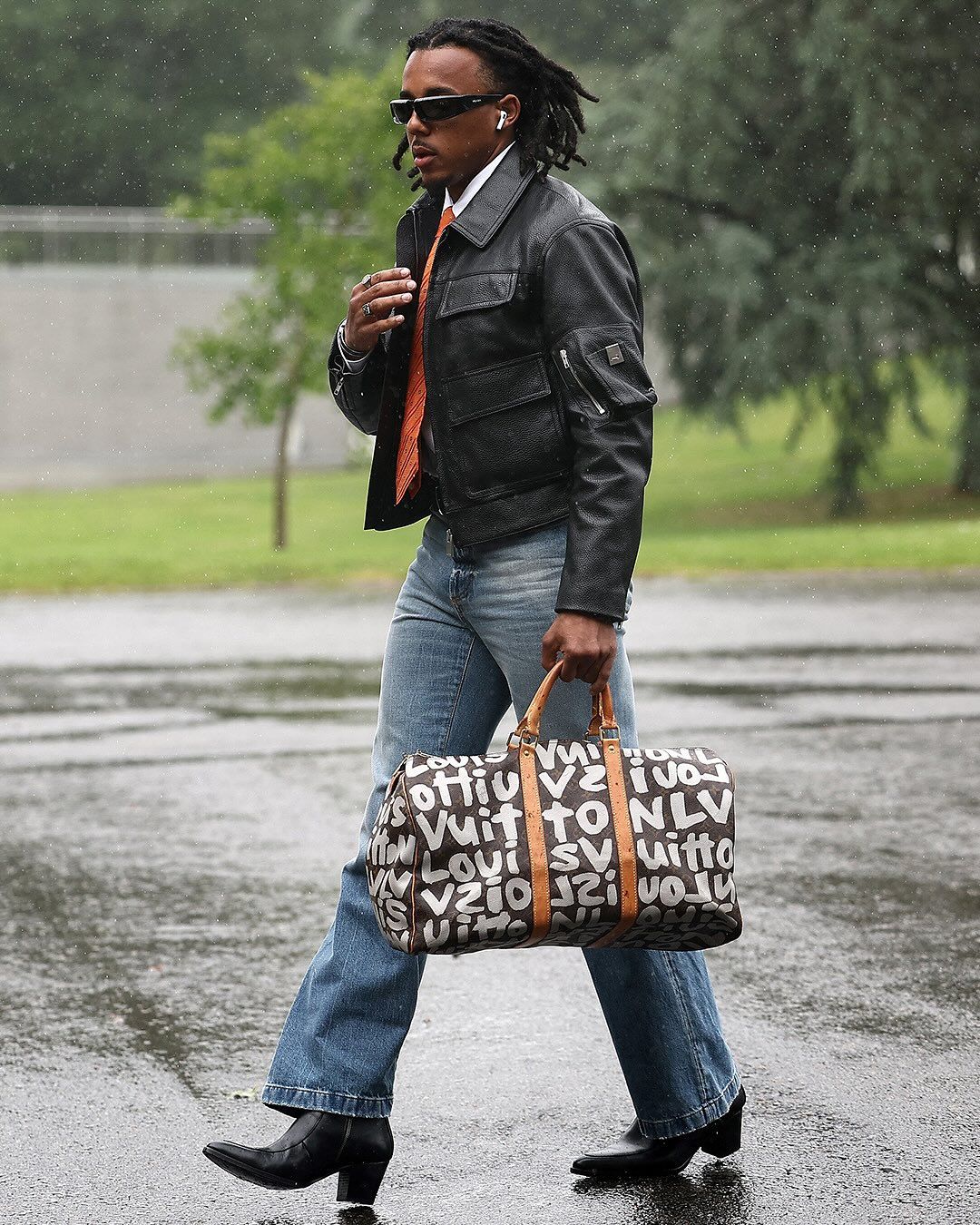
Football has become increasingly comfortable with fashion when it is commercially attractive. Players are invited to fashion shows, photographed for luxury campaigns and dressed by some of the industry’s biggest stylists. Tunnel arrivals have become part of the football calendar, with supporters paying as much attention to what players wear before a match as they do to the game itself.
But not every form of self-expression receives the same response. A player wearing an expensive designer jacket is likely to be praised for having good taste. A player wearing something that challenges traditional ideas of masculinity may still find himself the subject of jokes and abuse. It raises an uncomfortable question: is football genuinely becoming more open-minded, or are we simply accepting different forms of self-expression when they still fit within the boundaries we’re comfortable with?
Challenging toxic masculinity is not simply about encouraging men to wear more colourful clothes. It is about questioning the attitudes that make certain choices unacceptable in the first place. It means recognising that a man can be interested in fashion without his sexuality being questioned, that showing emotion does not make him weak and that having interests outside football does not make him any less committed to his profession.
Fashion alone cannot resolve the deeper issues surrounding homophobia, sexism or discrimination in football. But visibility matters. When players in one of the world’s most influential sports make different choices, they can help make those choices feel a little less unusual.
A Different Kind of Freedom
Football’s relationship with masculinity is not going to change overnight. The dressing room, the terraces and social media can still be unforgiving places for anyone who falls outside expectations of what a male footballer should look or behave like.
What fashion can offer is another way of opening the conversation. It gives players the opportunity to express themselves beyond the limits of their profession, while challenging supporters to think about why certain appearances provoke such strong reactions.
Perhaps the most important thing about players such as Iglesias, Bellerín and Calvert-Lewin is that they remind us footballers are people before they are footballers. They have interests, creative ambitions and personalities that cannot be contained within a club’s colours or a position on the pitch.
Football has spent generations telling men how to play, how to compete and how to carry themselves. It is about time there was a little more room for them to decide how they want to dress, too.
OUR FAVORITE DROPS THIS WEEK